EarlyAlert – Expert-Led Critical Event Management The most optimal consulting solution ALL-Hazard Protection Industry-Vetted Continuity & Resilience Management

Early Alert

  • Home
  • Author: Early Alert
  • Page 4
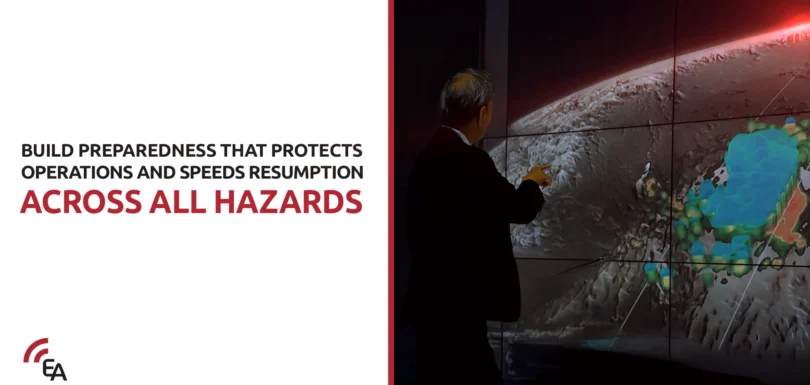
Build Preparedness That Protects Operations and Speeds Resumption Across All Hazards

Build Preparedness That Protects Operations and Speeds Resumption Across All Hazards 

Preparedness sits in a category that executives often respect but rarely prioritize until the moment it is tested. Yet the organizations that protect performance through disruption are rarely the ones that “handled it well” by accident. They resume faster because their operating posture is built for disruption, not built around the assumption that disruption will […]
Continue Reading

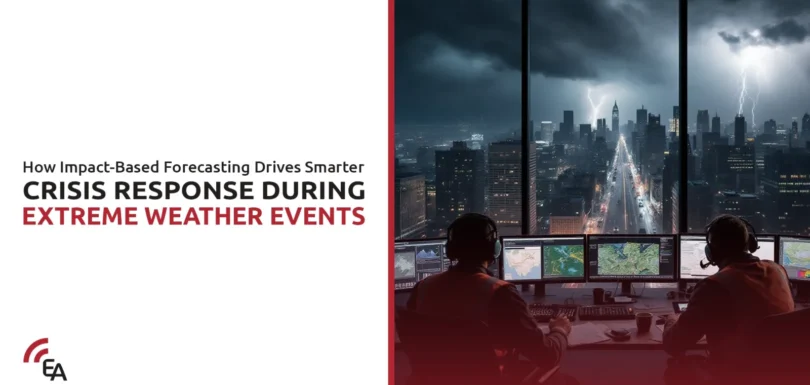
How Impact-Based Forecasting Drives Smarter Crisis Response During Extreme Weather Events

Extreme weather events are no longer rare, isolated occurrences; they are becoming more frequent, severe, and highly unpredictable. From hurricanes and floods to wildfires and tornadoes, the impact of these disasters is escalating, leaving communities, businesses, and infrastructure vulnerable. The ability to anticipate and respond effectively to such events has become a critical priority for […]
Continue Reading

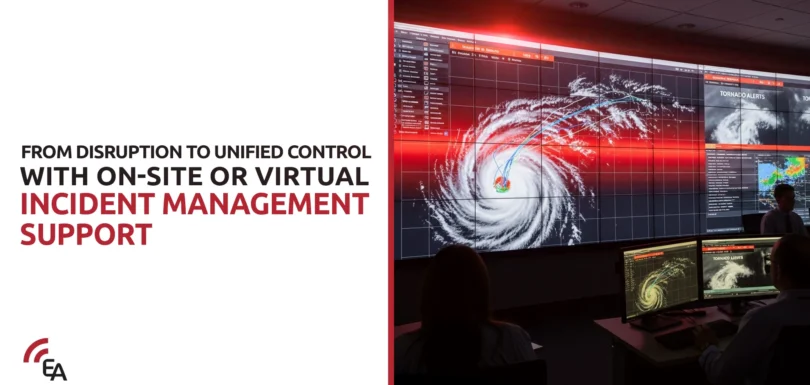
From Disruption to Unified Control with On-Site or Virtual Incident Management Support

The first hour of disruption is where leadership credibility is tested in real time. Teams look for direction, operations look for priorities, and stakeholders expect clarity even when the situation is still forming. In that window, time compresses quickly. What begins as a localized issue can expand across sites, vendors, customers, or workforce availability before the organization […]
Continue Reading

Why Businesses Without a Resilient Continuity Plan Are Destined to Fail

Disasters are inevitable. Whether it’s a cyberattack, natural disaster, economic crisis, or supply chain failure, organizations today face an unprecedented level of uncertainty. In fact, 96% of organizations have faced operational disruptions in the past two years, proving that no business is immune to unexpected threats. Yet, despite this alarming statistic, many companies remain unprepared, […]
Continue Reading

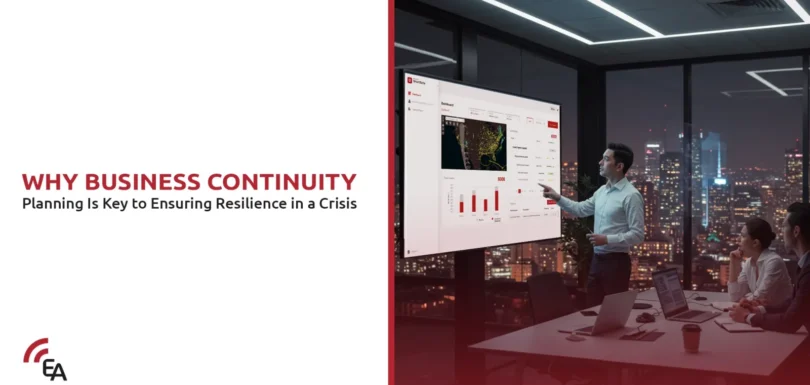
Why Business Continuity Planning Is Key to Ensuring Resilience in a Crisis

In 2024, disaster-related costs in the U.S. soared to an unprecedented $182.7 billion, the highest since 1980, claiming 568 lives and leaving countless businesses in ruins. These staggering figures underscore an unsettling reality; businesses today face more frequent and severe disruptions than ever before. Whether it’s natural disasters, cyberattacks, supply chain failures, or geopolitical unrest, […]
Continue Reading

How Effective Emergency Communications Ensure a Unified Stakeholder Response During Disruptions

In times of crisis, a business’s ability to communicate swiftly and effectively can mean the difference between a controlled response and complete operational chaos. When disaster strikes; be it a cyberattack, a natural disaster, or a major system failure, organizations must have an emergency communications framework in place to ensure a unified and coordinated response. […]
Continue Reading

Explore insights on managing risk, navigating disruption, and building continuity programs that work in real-world conditions. Our content is grounded in experience, not theory.

Categories

Latest Posts

Tags

Subscribe Newsletter

Sign up to receive notifications about the latest news and events from us!

    WHAT WE OFFER

    Expert-Led. Technology-Driven. Always Mission-Focused.

    From boots-on-the-ground expertise to intelligent tech, our solutions adapt to your risks, scale, and critical moments.

    (function () { var BTN_PREV_ID = 'br-prev-1'; var BTN_NEXT_ID = 'br-next-1'; // Find the slider container closest to the buttons' section/column function findLocalSliderRoot(btn) { var section = btn.closest('.elementor-section, .elementor-container, .elementor-column, section') || document; // Prefer a container that actually contains a wrapper var wrapper = section.querySelector('.swiper-wrapper, .pxl-swiper-wrapper'); if (wrapper) { var container = wrapper.closest('.swiper, .swiper-container, .pxl-swiper, .pxl-swiper-container') || wrapper.parentElement; return { section, container, wrapper }; } // Fallback: any visible swiper container in this section var container = section.querySelector('.swiper, .swiper-container, .pxl-swiper, .pxl-swiper-container'); return { section, container, wrapper: container ? container.querySelector('.swiper-wrapper, .pxl-swiper-wrapper') : null }; } function getSwiperInstance(container) { if (!container) return null; return ( container.swiper || container.__swiper || container.swiperInstance || (window.jQuery && window.jQuery(container).data && window.jQuery(container).data('swiper')) || null ); } function findNativeArrows(scope) { return { next: scope.querySelector('.swiper-button-next, .pxl-swiper-arrow-next, .pxl-arrow-next, .pxl-swiper-nav .next, [data-swiper="next"]'), prev: scope.querySelector('.swiper-button-prev, .pxl-swiper-arrow-prev, .pxl-arrow-prev, .pxl-swiper-nav .prev, [data-swiper="prev"]') }; } function findBullets(scope) { return Array.prototype.slice.call(scope.querySelectorAll('.swiper-pagination-bullet') || []); } function clickBullet(bullets, dir) { if (!bullets.length) return false; var idx = bullets.findIndex(function (b) { return b.classList.contains('swiper-pagination-bullet-active'); }); if (idx < 0) idx = 0; var next = dir === 'next' ? (idx + 1) % bullets.length : (idx - 1 + bullets.length) % bullets.length; bullets[next].click(); return true; } function handle(btn, dir) { if (!btn) return; btn.removeEventListener('click', btn._brHandler || function(){}); btn._brHandler = function () { var refs = findLocalSliderRoot(btn); if (!refs.container && !refs.wrapper) { console.warn('[BR Tabs] No slider found near buttons. Move buttons into the same section/column as the slider.'); return; } var swiper = getSwiperInstance(refs.container); var arrows = findNativeArrows(refs.section); var bullets = findBullets(refs.section); // 1) Native arrows (if the theme provides them) if (dir === 'next' && arrows.next) { arrows.next.click(); return; } if (dir === 'prev' && arrows.prev) { arrows.prev.click(); return; } // 2) Swiper API if (swiper) { if (dir === 'next' && typeof swiper.slideNext === 'function') { swiper.slideNext(300); return; } if (dir === 'prev' && typeof swiper.slidePrev === 'function') { swiper.slidePrev(300); return; } } // 3) Bullets if (clickBullet(bullets, dir)) return; // 4) Last resort debug console.warn('[BR Tabs] Could not control the slider.', { hasContainer: !!refs.container, hasWrapper: !!refs.wrapper, hasSwiper: !!swiper, hasArrows: !!(arrows.next || arrows.prev), bulletsCount: bullets.length }); }; btn.addEventListener('click', btn._brHandler); } function wire() { handle(document.getElementById(BTN_NEXT_ID), 'next'); handle(document.getElementById(BTN_PREV_ID), 'prev'); } document.addEventListener('DOMContentLoaded', wire); window.addEventListener('load', wire); if (window.elementorFrontend && elementorFrontend.hooks) { elementorFrontend.hooks.addAction('frontend/element_ready/global', wire); } if (window.MutationObserver) { var mo = new MutationObserver(wire); mo.observe(document.documentElement, { childList: true, subtree: true }); } })();